
Why Buy a Camp, Cottage, or Cabin on a Lake or Rural Acreage in the U.S.?
There’s something timeless about owning a quiet retreat nestled in the woods or along a peaceful shoreline. A lakefront cabin or countryside cottage isn’t just a property—it’s a personal escape, a place where memories are made, and a lifestyle investment that pays dividends in peace of mind, family connection, and outdoor adventure.
Here’s why more people are choosing to invest in cabins, camps, and cottages across rural America:
Escape the Noise: Step away from the stress of city life and into the stillness of nature. Whether for weekends, seasons, or year-round living, a rural retreat offers unmatched tranquility.
Waterfront Living: Wake up to the call of loons, spend afternoons fishing, kayaking, or swimming, and watch the sunset reflect off the lake from your porch. Lake properties offer both recreation and serenity.
Unplug & Reconnect: These properties offer the perfect setting to disconnect from screens and reconnect with loved ones. Campfires, board games, and long walks replace the noise of daily life.
Affordable Getaway: Compared to suburban or coastal real estate, cabins and rural camps can offer excellent value and a more accessible way to own a second home or weekend escape.
Outdoor Lifestyle: Enjoy hiking, boating, hunting, fishing, snowmobiling, or simply breathing in the fresh mountain or forest air—right from your back door.
Off-Grid Capable: Many camps and cottages can be outfitted with solar power, propane, and satellite internet for off-grid convenience without sacrificing comfort.
Family Legacy: These properties often become treasured gathering places passed down through generations—a place where traditions are built and remembered.
Rich Regional Camp Traditions: In places like Maine, New Hampshire, Wisconsin, and Michigan, owning a camp is part of a proud cultural tradition. Families return to the same lakes and woods year after year, building multi-generational memories in cherished rustic settings.
Flexible Use: Use it as a seasonal getaway, a remote work base, or even a short-term rental property when not in use—rural cabins offer versatility for both lifestyle and income.
Low-Stress Ownership: Smaller footprints and natural surroundings mean less upkeep, lower taxes, and more time enjoying what matters.
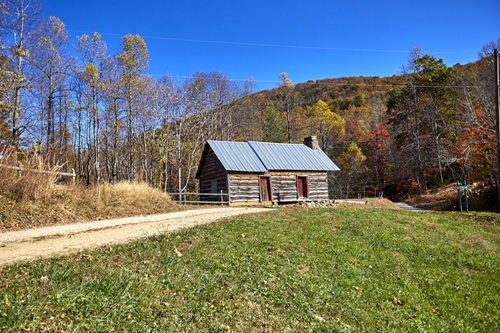
Whether it’s a rustic hunting camp in the Appalachians, a lakeside cottage in Maine or Michigan, or a pine-framed cabin in the Pacific Northwest, owning your own corner of wild America gives you the freedom to live simply, breathe deeply, and enjoy life on your terms.
Lakefront and Rural Retreats
Cabins, camps, and cottages range from rustic hunting retreats in the Appalachians to lakeside cottages in Maine and Michigan and pine-framed cabins in the Pacific Northwest. Waterfront properties offer direct access to fishing, kayaking, and swimming right from your doorstep.
Strong Regional Camp Traditions
In states like Maine, New Hampshire, Wisconsin, and Michigan, owning a camp is a deeply rooted cultural tradition. Families return to the same lakes and woodlands year after year, turning these properties into multi-generational gathering places.
Flexible and Affordable Ownership
Compared to suburban or coastal real estate, rural cabins and camps can offer strong value as a second home or weekend escape. Many can also serve as a short-term rental or remote work base when not in use, adding practical versatility to the lifestyle appeal.
Off-Grid Ready Options
Many camps and cottages can be outfitted with solar power, propane, and satellite internet, making it possible to enjoy genuine seclusion without giving up everyday comfort.
Frequently Asked Questions
AFM lists camps, cottages, and cabins across rural America, including lakefront properties, countryside retreats, and private island compounds. Listings range from rustic hunting camps in the Appalachians to lakeside cottages in Maine and Michigan to pine-framed cabins in the Pacific Northwest. Each property is suited to a variety of uses, from seasonal getaways to year-round living.
Yes, rural cabins and camps can serve as flexible investments. When not in use as a personal retreat, many owners choose to operate them as short-term rental properties, generating income while still preserving the property for personal enjoyment during other times of the year.
Not necessarily. Many camps and cottages can be outfitted for off-grid living using solar power, propane, and satellite internet, allowing for modern comfort without a traditional utility connection. For example, the Butterfield Island property on Nicatous Lake in Maine relies on a diesel generator along with a solar panel and battery system to power all buildings, while propane handles kitchen appliances and hot water.
The Butterfield Island property is a fully furnished, turn-key compound on 8 acres in Nicatous Lake, Maine, listed at $895,000. It includes two main lodges, three sleeping cabins, a tool shed, generator shed, woodshed, outhouse, two docks on the island, and a deeded mainland lot with a boathouse and private dock. The sale also conveys a 26-foot pontoon boat, a Honda ATV with trailer, a Bobcat E10 excavator, three gas-powered generators, and a 30-foot event tent, among other personal property.
Butterfield Island is described as suitable for a wide range of uses, including a private family compound, a corporate or non-profit retreat center, a small event center such as for weddings, short-term rental operations, or an environmental summer camp. Its self-sufficient infrastructure and remote island setting make it adaptable to both personal and commercial purposes.
In states like Maine, New Hampshire, Wisconsin, and Michigan, owning a camp is considered part of a proud cultural tradition. Families return to the same lakes and forests year after year, building multi-generational memories in rustic settings. These properties often become legacy gathering places passed down through generations, where traditions are formed and cherished over time.